
|
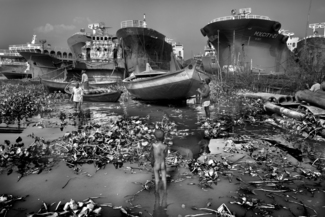
Larry Louie Canada 1st Place - Outstanding Achievement "Toxic Waters" In January 2010, Bangladesh began trying to clean up one of the dirtiest rivers in the world, the Buriganga. It only took one generation to turn what was once a thriving river with drinkable water into a river that is so toxic that no fish can survive in there. Buriganga has become the toxic lifeline of Dhaka . The dying river is the most polluted river in Bangladesh due to rampant dumping of industrial and human waste. It is the main outlet of sewage waste and has become a major health hazard as industries and people are all sharing the use of the river. Many of the urban poor need to use the river in their daily lives. They use this water to drink, gargle, brush their teeth and take baths. The fact is the poisonous water with major toxic elements from irritants to carcinogens are the cause of several types of skin disease and other health issues among the people who live along its banks. |
|
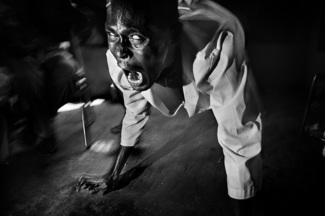
Paolo Marchetti Italy 2nd Place - Merit of Excellence "voodoonville 01" Haiti, Port-au-Prince, july 2010. A voodoo priest possessed by an evil spirit during a nocturnal ceremony in the village Wharf Jeremie |
|
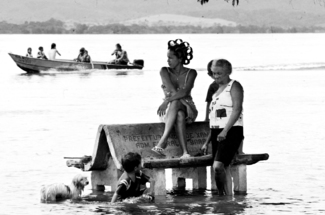
Alan K. E. A. Marques Brazil 3rd Place - Honor of Distinction "waiting for a bus" Family waits on a bus stop during a fload in the city of Xambiá (state of Tocantis in the north of Brazil)) |
|
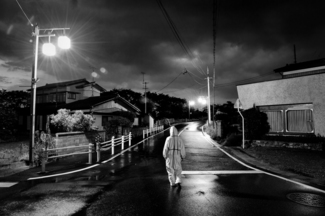
Pierpaolo Mittica Italy Honorable Mention "Animal Activist, Fukushima "No-Go Zone"" Animal Activist in search of abandoned animals. During the night several animal activists enter illegally inside the Exclusion Zone to rescue pets and other animals. Odaka city, Fukushima "No-Go Zone", Japan. |
|
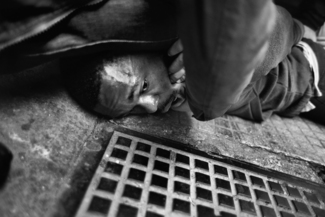
Nikos Pilos Greece Honorable Mention "Greece in Crisis :ATHENS GHETTO" 08/11/2010 ATHENS ,GREECE . Zinonos Street, Athens, Greece: Undercover policemen arresting an African drug dealer, keeping his mouth open – a common place to hide the drugs – so he cannot swallow. One of the contributing factors in immigrants becoming drug dealers is the massive unemployment rate among them. |
|
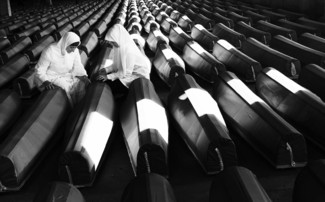
Lars Nyman Sweden Honorable Mention "Srebrenica2010" |
|
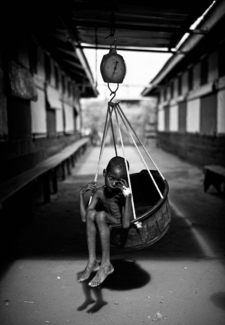
Dani Pozo Spain Honorable Mention "Libean Mukpar" 8 year-old Somalian refugee Libean Mukpar being placed on the scales at the MSF Hagadera Hospital in Dadaab, Kenya. Libean weighs less than 15 kilos. Under normal conditions his weight should be around 26 kilos. His weight now corresponds to that of a 3 year-old child. Every morning his mother carries him on her back to the scales, where doctors monitor his development. Just a few metres separate the bed from the scales, but his weak legs can't cover this small distance. It takes him great effort even to sit in the black basin where doctors weigh patients; he squints as he looks out at us. There are dozens of cases like Libean's in the Hospital, an entire generation condemned to starvation. |
|
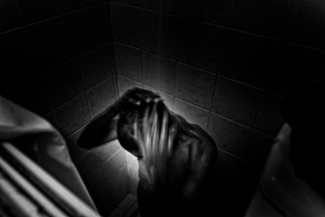
Antonio gibotta Italy Nominee "The water, the gold of poverty '" HOSTEL FOR HOMELESS. ITALY |
|
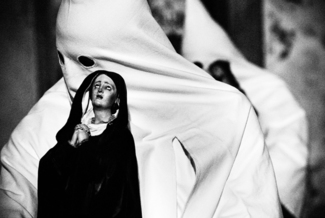
Antonio gibotta Italy Nominee "PASSION OF CHRIST" PROCESSION OF THE HOLY FRIDAY IN SORRENTO. ITALY |
|
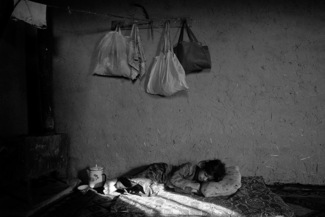
Anzor Bukharsky Uzbekistan Nominee "The sleeping girl" Bukhara, Uzbekistan, gipsies |
|
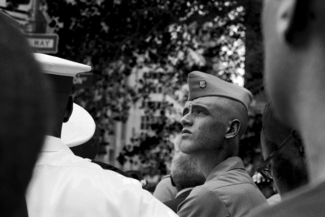
Dana Ullman USA Nominee "Ten Years After" A U.S. Marine looks up at the 9/11 10th anniversary ceremony, September 11th, 2011 in New York City |
|
David Toczko USA Nominee "I Know Thy Grief" Funeral for SGT. Matthew Deckard. KIA Baghdad, Iraq |
|
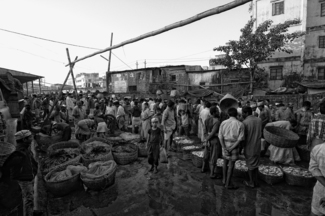
Edoardo Agresti Italy Nominee "Save me 03" Young boys work as a sort of slaves in the fish market in Chittagong, Bangladesh |
|
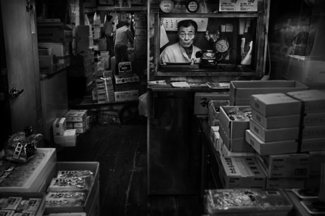
Eir-Jorgen Bue Norway Nominee "on post" fishmarket Tokyo |
|
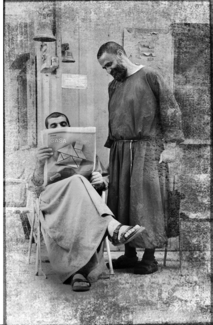
Francesco Carella France Nominee "Timeless Brothers" Brother's recreation |
|
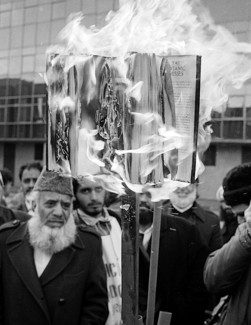
Garry Clarkson UK Nominee "Satanic Verses Bookburning Bradford 1989" Muslims burn a copy of Salman Rushdie's Satanic Verses in protest at what they consider to be blasphemy. Bradford UK. 14 January 1989. |
|
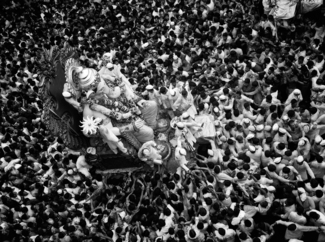
Girish Menon India Nominee "Untitled 06" LALBAUG, MUMBAI, INDIA – SEPTEMBER 2011. Thousands of people take to the streets to venerate the Hindu Elephant God, Ganpati. |
|
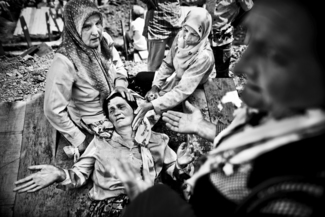
Giuliano Koren Italy Nominee "hands" POTOCARI (SREBRENICA), BOSNIA AND HERZEGOVINA. 11 JULY 2010. A desperate woman on her husband's grave during the burial. The fifteenth anniversary of the genocide in Srebrenica, eastern Bosnia. Hundreds of families bury their relatives in a mass funeral. Between 11 and 15 July 1995 Serbian forces massacred over 8000 Bosnian muslim males after taking control of Srebrenica - 3500 now rest in the memorial cemetery in Potocari. The remainder await exhumation from mass-graves and DNA-identification. Every year on this date are running new burials. Before being buried, the body parts of victims must be put back to at least 70%. |
|
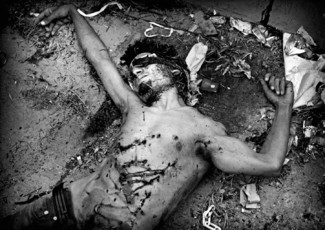
Jack Hill UK Nominee "Executed" An unidentified Libyan fighter lies dead after being executed during the battle for Tripoli. |
|
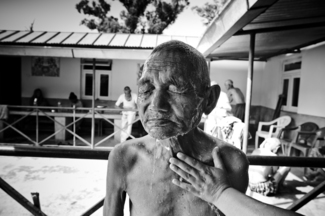
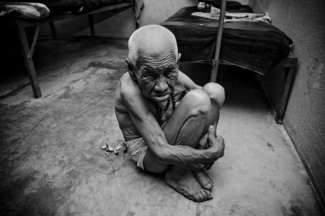
Jeremy Fokkens Canada Nominee "Helping Hand" In this photograph, I wanted to capture the daily life of a Briddhashram resident where local and international volunteers come to help with daily routines (e.g., washing, eating, and walking) where disabilities range from dementia, down syndrome, and blindness to clubfoot and various amputations. The resident’s ages range from 40 to 90 and some have no recollection of their own age. Many have had their families abandon them due to an inability to financially support, or the social stigmatism that results from having a disabled elder in the family. |
|
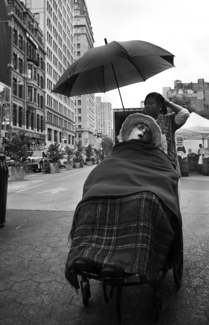
Jeremy Fokkens Canada Nominee "Alone" In this photograph, I wanted to capture the daily life of a Briddhashram resident where local and international volunteers come to help with daily routines (e.g., washing, eating, and walking) where disabilities range from dementia, down syndrome, and blindness to clubfoot and various amputations. The resident’s ages range from 40 to 90 and some have no recollection of their own age. Many have had their families abandon them due to an inability to financially support, or the social stigmatism that results from having a disabled elder in the family. |
|
john blais USA Nominee "Existing" Don't you want to live forever ? |
|
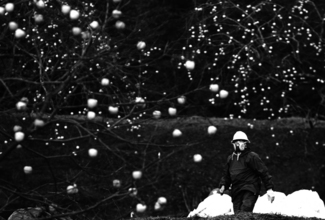
Kenichi Unaki Japan Nominee "The aftermath of nuclear crisis" A man working on decontamination in the Onami district of Fukushima city. Persimmons, contaminated by radiation, are left ripe, but cannot be harvested. The accident in Fukushima Daiichi nuclear plant caused a very significant amount of radiation leakage and soil contamination. |
|
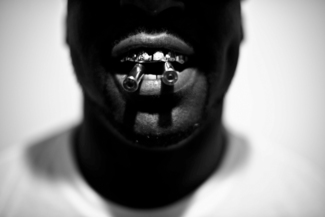
kevin vast USA Nominee "bullet" Bed stuy, brooklyn This picture is part of a reportage about gangs in Brooklyn
the man holds bullets in his teeth |
|
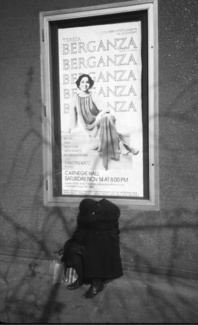
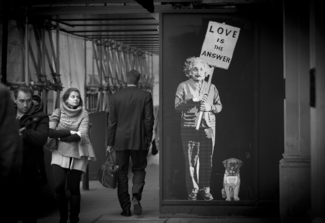
Konrad Perlman USA Nominee "Light and Dark Lives" A street person in black slumped under photo of singer at Carnegie Hall, NYC in gleaming white dress with a happy smile |
|
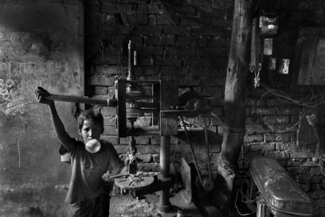
Larry Louie Canada Nominee "Child Labor - My Bubblegum" In recent years, the prevalence of child labor has become a serious problem in many poor developing countries. Bangladesh, being one of the poorest and one of the most densely populated countries in the world; the problem of child labor is huge. It is estimated that there are 4.9 million working children between the ages of 5-15 in Bangladesh. That is 13.4% of the total work force in the country. Most of these children have no other options. Some are orphans growing up on the streets while others are forces to work due the economic hardships of their family. There is not much future for these children growing up and living in poverty and deprivation. Few will ever have the opportunity to an education or to learn skills to ensure a better life for them in the future. But just banning the use of child laborer in industries is not a permanent solution to this problem. In fact, this step is useless if the government and NGO’s do not ensure the economic and social securities of these minors. 40% of the 166 million people in Bangladesh make less than $1 a day and spend 80% of that income on food. With the rising cost of fuel and food prices, more and more children will be forced to work to help support their family and put food on the table. |
|
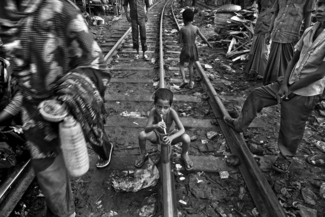
Larry Louie Canada Nominee "Child Labor - Living by the Railroad Track" In recent years, the prevalence of child labor has become a serious problem in many poor developing countries. Bangladesh, being one of the poorest and one of the most densely populated countries in the world; the problem of child labor is huge. It is estimated that there are 4.9 million working children between the ages of 5-15 in Bangladesh. That is 13.4% of the total work force in the country. Most of these children have no other options. Some are orphans growing up on the streets while others are forces to work due the economic hardships of their family. There is not much future for these children growing up and living in poverty and deprivation. Few will ever have the opportunity to an education or to learn skills to ensure a better life for them in the future. But just banning the use of child laborer in industries is not a permanent solution to this problem. In fact, this step is useless if the government and NGO’s do not ensure the economic and social securities of these minors. 40% of the 166 million people in Bangladesh make less than $1 a day and spend 80% of that income on food. With the rising cost of fuel and food prices, more and more children will be forced to work to help support their family and put food on the table. |
|
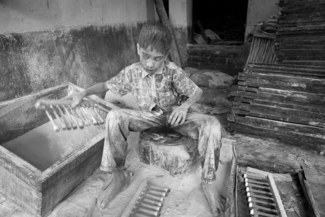
Larry Louie Canada Nominee "Child Labor - Covered in Powder" In recent years, the prevalence of child labor has become a serious problem in many poor developing countries. Bangladesh, being one of the poorest and one of the most densely populated countries in the world; the problem of child labor is huge. It is estimated that there are 4.9 million working children between the ages of 5-15 in Bangladesh. That is 13.4% of the total work force in the country. Most of these children have no other options. Some are orphans growing up on the streets while others are forces to work due the economic hardships of their family. There is not much future for these children growing up and living in poverty and deprivation. Few will ever have the opportunity to an education or to learn skills to ensure a better life for them in the future. But just banning the use of child laborer in industries is not a permanent solution to this problem. In fact, this step is useless if the government and NGO’s do not ensure the economic and social securities of these minors. 40% of the 166 million people in Bangladesh make less than $1 a day and spend 80% of that income on food. With the rising cost of fuel and food prices, more and more children will be forced to work to help support their family and put food on the table. |
|
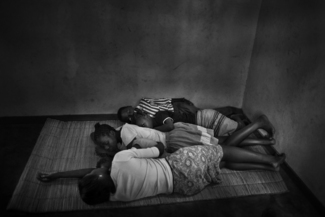
Mark Leibowitz USA Nominee "Home II" AIDs orphans sleeping in Mozambique |
|
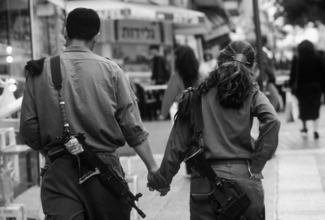
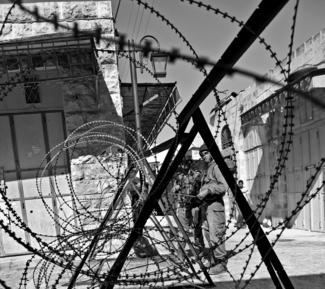
Matt Lit USA Nominee "Jerusalem" An IDF soldier couple strolls a plaza in Jerusalem. |
|
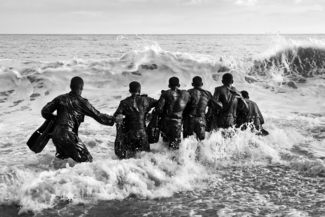
michael heffernan UK Nominee "deadly when wet_2" |
|
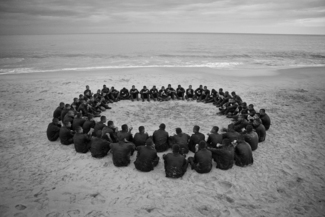
michael heffernan UK Nominee "deadly when wet_3" |
|
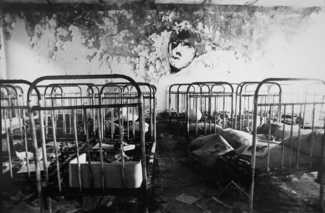
Michelle Rogers Pritzl USA Nominee "Dissolution: Recent Work from Chernobyl" Recent grafitti over decaying cribs in an abandoned kindergarten. Split-toned silver gelatin print. |
|
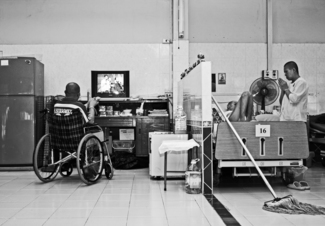
Mirko Ries Switzerland Nominee "I pray for you" From a HIV-hospice - Their will to live is unbelievably huge and if they tell you their on stories and show you photos from earlier stages in their life, they are just like you and me. It's almost too hard to believe how this disease can damage a human body and life of a human being. |
|
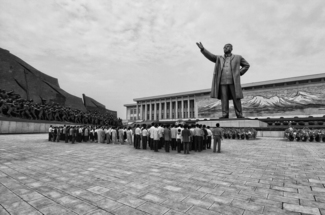
Nayan Sthankiya Canada Nominee "Mansuda Hill Pyongyang" On the anniversary of Kim Il-sungs birthday, North Koreans come to Mansuda Hill to pay their respects in Pyongyang, North Korea. |
|
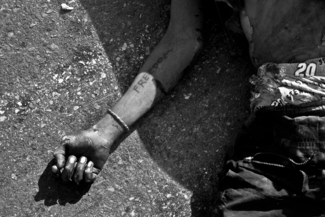
Philippe De Poulpiquet France Nominee "Freedom" Tripoli (Libya), 25 August 2011. The body of a fighter is lying on the asphalt at the entrance to the neighborhood of Abu Slim. On his arm, a tattoo: "Freedom". |
|
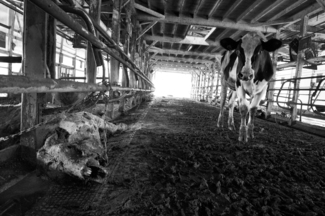
Pierpaolo Mittica Italy Nominee "Abandoned farm, Fukushima "No-Go Zone"" At the time of the evacuation all the animals were abandoned. You could encounter some of cows enjoying total if ephemeral freedom after wandering away from farms. But most disgusting of all are the decomposing carcasses of hundreds of cows left unattended on farms. |
|
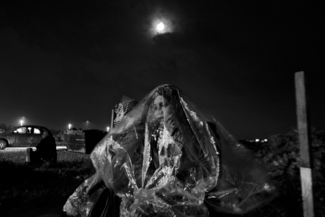
Rina Castelnuovo Israel Nominee "checkpoint" - 21 FEB 2011- QALQILYA, WEST BANK- Palestinian worker Raida, 31, (no last name given) waits with other workers at West Bank Qalqilya crossing into Israel for transportation into a flowers' farm ; she leaves her home in Qalqilya, West Bank daily at 3 am to cross through the checkpoint into Israel in order to make it on time for work. Some 5,000 Palestinian laborers are walking daily through this checkpoint and tens of thousands through other crossings ; Palestinian economy and livelihood depends heavily on Israel after 44 years of occupation. Palestinians are seeking UN recognition and for a Palestinian state in the West Bank and Gaza. rina castelnuovo |
|
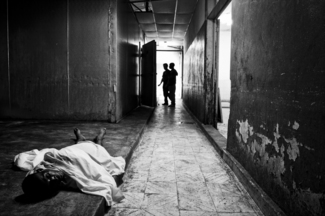
Robert Larson USA Nominee "Untitled" From the series: Waiting for Haiti / Some workers at the General Hospital morgue in Port-au-Prince use the dead to extort money from the living. The recently deceased are often left out in the hall for weeks at a time. The family and friends are often traumatized by the treatment and pay money to have their loved ones moved into the freezers. Bodies are then tossed on the floor, with additional money demanded if they are to be placed onto the racks. / 01.31.2010 |
|
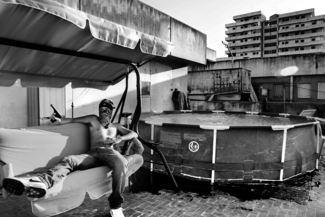
salvatore esposito Italy Nominee "Scampia 2" A guy with his gun on the top of "Le Vele". |
|
Sandra Chen Weinstein USA Nominee "Sepersation" |

|
Simone Bonde USA Nominee "Mother comforts mother" The mother comforts her laboring daughter as she rests between intense contractions at her home birth. |
|
Sue Foll UK Nominee "Love is the answer" |
|
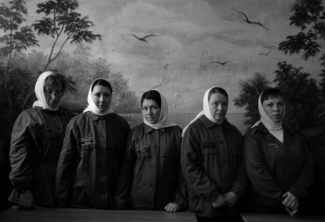
Valery Melnikov Russia Nominee "Pending Amnesty Announcing" Women-prisoners in Kineshema’s women colony wait for discharge because of mitigation for women. There are more than 1000 prisoners in it. Lots of women in colony suffer from tuberculosis and AIDS. The city of Kineshma, Russia. |
|
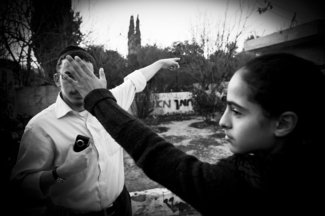
Werner Anderson Norway Nominee "Westbank" |
< back